

Achieve financial freedom in healthcare
Discover practical strategies and essential tools to navigate financial challenges. Learn how to overcome debt, reduce stress, and build a secure future tailored for healthcare professionals.

Overcoming healthcare financial burdens
Healthcare professionals, especially nurses, often face mountain loads of debt from college and school, alongside immense stress. This section addresses these significant financial headaches directly, offering insights into their origins and impact on your well-being. We understand these challenges and are here to guide you toward relief and sustainable solutions.

Smart financial tools for your success
Explore effective financial literacy ideas and tools designed to alleviate your burdens. From maximizing healthcare retirement plans to implementing personalized budgeting strategies, we provide actionable steps. Our solutions are crafted to empower you to take control of your finances and build a stable future.

Real-life impact: Supported versus stalled
See the clear difference financial literacy makes. A stalled nurse without support typically holds a $33,210 median student loan balance with high-interest repayments. In contrast, a supported nurse leverages employer student loan assistance or tax-free Public Service Loan Forgiveness (PSLF). This comparison highlights the tangible benefits of our solutions, moving you from financial struggle to stability.
A great start would be using the 50/30/20 rule. The 50/30/20 rule is a saving strategy where you control and budget your expenses. The 50 represents 50% of your paycheck going to expenses you NEED. The 30 represents 30% of the expenses going to what you WANT and 20 represents 20% of your expenses going to savings. In this situation, I recommend switching the 30 and 20. Only spend 20% on expenses you want and save the 30%.

Build your emergency fund to secure your future
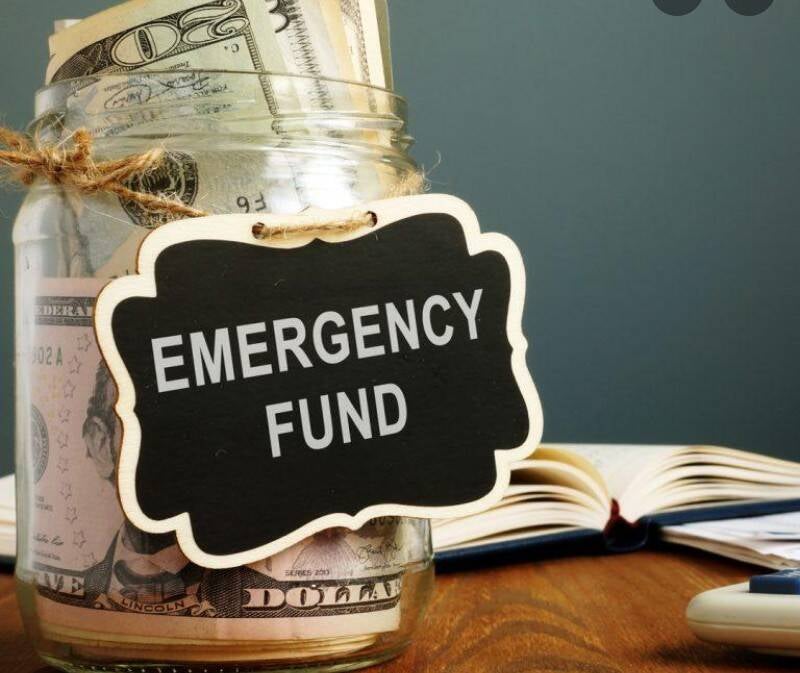
An emergency fund is a critical financial safety net, especially for healthcare professionals who face unpredictable circumstances. It’s money saved specifically for unexpected expenses such as medical emergencies, car repairs, or job loss. By setting aside funds before you spend, you ensure that life’s curveballs don't derail your financial stability. Build your emergency fund today for peace of mind tomorrow.
Understand your gross and net pay
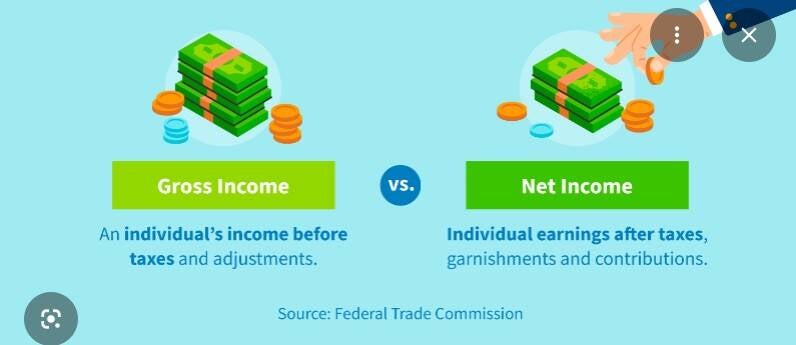
Calculating your gross and net pay is crucial because you need to understand what you are being taxed on. Gross pay is the income that you see before the deductions or taxes. Net income is your take-home pay. The amount you will get to spend after deductions and taxes. Then create a strict budget based on what your net pay is and what debts need to pay off. If you are receiving a deficit of income, it's best to make smart financial decisions. That may include getting a second job, reducing non-essential spending, or moving to cheaper housing.
Set a SMART financial goal for your healthcare career
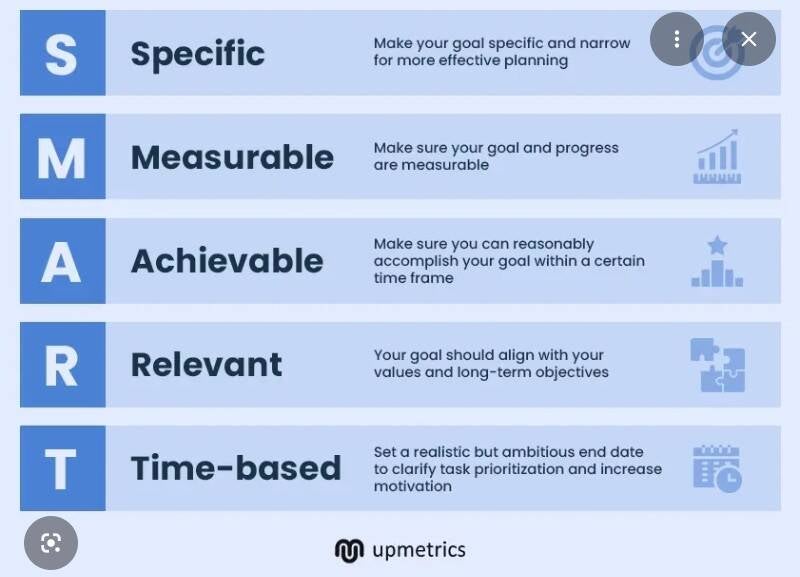
To enhance your financial literacy, aim to increase your monthly savings by $200 over the next six months by reallocating 10% from discretionary spending and 5% from entertainment, thereby building your emergency fund and reducing financial stress. This specific, measurable, achievable, relevant, and time-bound goal will significantly improve your financial stability.
Short-term versus long-term savings goals
When planning your finances, it's crucial to distinguish between short-term and long-term savings goals. Short-term goals, typically within three months to one year, might include saving for a down payment on a car or an emergency fund. For these, low-risk options like certificates of deposit (CDs) are ideal due to their stability and predictable returns.
Long-term goals, such as saving for a house or retirement, usually span from one to five years or more. These goals benefit from investments with higher growth potential, like mutual funds, despite their moderate to high risk. Remember, the general rule is: lower risk often means lower yield, while higher risk can lead to higher yield.
How compound interest works for you
Compound interest means earning interest not only on your initial savings but also on the accumulated interest from previous periods. This powerful concept allows your money to grow exponentially over time, turning small, consistent contributions into substantial wealth. It's often called "interest on interest" and is a cornerstone of long-term financial growth.
For healthcare professionals, understanding compound interest is vital for maximizing retirement savings and investment portfolios. By starting early and contributing regularly, you harness the power of compounding to build a secure financial future, even with the demands of your profession. It transforms your savings into a self-sufficient growth engine.
Mastering your credit score
A credit score, ranging from 300 to 850, is a crucial indicator for lenders to assess your reliability in repaying debts promptly. A strong credit score is essential for securing significant purchases like apartments, homes, or cars. Understanding and managing your credit is a cornerstone of financial literacy, paving the way for greater financial freedom and opportunities in your healthcare career.
How to build your credit
Building a good credit score is essential for your financial health. Start by understanding the factors that influence your score: payment history, amounts owed, length of credit history, new credit, and credit mix. Paying your bills on time is the single most important factor, so always prioritize timely payments to all your creditors.
Next, keep your credit utilization low, ideally below 30% of your available credit. Avoid opening too many new credit accounts at once, as this can signal higher risk. Regularly check your credit report for errors, and dispute any inaccuracies. By consistently practicing these habits, you can steadily build a strong credit profile that opens doors to better financial opportunities.
Retirement savings for healthcare workers
Securing your future with adequate retirement savings is crucial for healthcare professionals. Planning early allows you to take full advantage of compound interest, helping your investments grow significantly over time. Understanding your employer-sponsored plans, like 401(k)s or 403(b)s, and maximizing contributions can lay a strong foundation for a comfortable retirement. Even small, consistent contributions can make a big difference in the long run.
Beyond employer plans, consider additional savings vehicles such as IRAs or Roth IRAs, which offer tax advantages and more investment flexibility. Diversifying your retirement portfolio is also key to mitigating risk and optimizing growth. By setting clear retirement goals and regularly reviewing your progress, healthcare workers can build a strong financial future, ensuring peace of mind long after their demanding careers conclude.
Create Your Own Website With Webador